


Competitive gaming moves fast. A title that dominates one year can lose momentum the next, while a new release can suddenly become the centre of the esports world. In 2026, the landscape is more competitive than ever. Established franchises continue to attract millions of viewers, while newer games are earning their place through innovative gameplay, balanced competitive formats, and growing international tournaments.
Whether you’re planning to become a professional player, searching for the next esports title to master, or simply curious about which games dominate Twitch, YouTube, and major global events, this guide covers the top competitive esports games in 2026 that shaping the industry.
Quick Summary
The top competitive esports games in 2026 include:
- Counter-Strike 2
- League of Legends
- VALORANT
- Dota 2
- Mobile Legends: Bang Bang
- PUBG Mobile
- Apex Legends
- Rocket League
- EA Sports FC 26
- Rainbow Six Siege X
These games continue to lead through massive player communities, professional leagues, international championships, and consistent developer support.
Why These Games Dominate Competitive Esports in 2026
Not every multiplayer game becomes an esport. Competitive success depends on far more than popularity.
The strongest esports titles usually share several characteristics:
- High skill ceiling with room for mastery
- Balanced competitive gameplay
- Regular updates from developers
- Established tournament ecosystem
- Large streaming audiences
- Strong organisational support
- Sustainable professional leagues
Games that consistently satisfy these factors remain relevant for years rather than months.
Counter-Strike 2 Continues to Lead Tactical FPS Esports
Counter-Strike has remained one of esports’ most respected titles for over two decades, and Counter-Strike 2 continues that legacy in 2026.
The game’s appeal comes from its simplicity. Every round rewards mechanical precision, communication, positioning, economy management, and strategic decision-making.
Major tournaments regularly attract millions of viewers worldwide, while organisations continue investing heavily in elite rosters.
Why CS2 remains elite
- Massive international tournament calendar
- Stable competitive meta
- Highly skilled professional scene
- Strong grassroots ecosystem through FACEIT and community competitions
- One of the largest esports audiences globally
For aspiring professional FPS players, Counter-Strike 2 remains one of the toughest—and most rewarding—competitive games available.
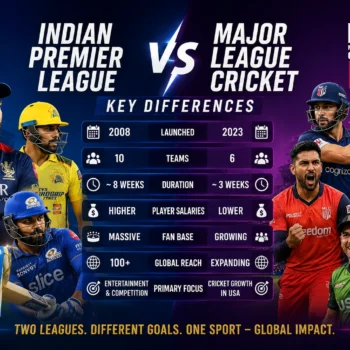
Also Read: Indian Premier League vs Major League Cricket: Key Differences
League of Legends Still Defines Global Esports
More than fifteen years after launch, League of Legends continues to set the standard for professional esports.
Regional leagues across Korea, China, Europe, North America, and other regions feed into prestigious international tournaments that attract enormous global audiences.
The game evolves every season through champion updates, item balancing, and strategic shifts, ensuring professional play never feels stale.
Why LoL remains a powerhouse
- Huge professional ecosystem
- International tournaments with global prestige
- Constant meta evolution
- Large amateur and collegiate scenes
- Strong developer investment
The combination of strategic depth and mechanical execution keeps League of Legends among the most watched esports games in the world.

VALORANT Has Become a Global Esports Giant
Few modern games have grown as quickly as VALORANT.
Combining tactical shooting with hero-based abilities creates matches that reward teamwork, communication, precision aiming, and coordinated strategies.
The international franchise system has matured significantly by 2026, producing highly competitive regional leagues across multiple continents.
What makes VALORANT competitive?
- Agent diversity creates evolving strategies
- Frequent balancing updates
- Accessible spectator experience
- Strong anti-cheat infrastructure
- Growing international fanbase
For many younger players entering esports today, VALORANT represents the modern face of tactical shooters.
Dota 2 Continues to Reward Strategic Excellence
Despite increasing competition from newer MOBAs, Dota 2 remains one of the deepest strategy games in esports.
Its complexity can be intimidating for beginners, but experienced players appreciate the almost limitless tactical possibilities.
Professional matches often feature dramatic momentum swings, creative drafting, and team fights that demand exceptional coordination.
Why Dota 2 remains relevant
- Exceptional strategic depth
- Iconic international tournaments
- Experienced professional ecosystem
- Long-term developer support
- Loyal global community
While the learning curve is steep, few games reward mastery quite like Dota 2.

Mobile Esports Continue Their Rapid Expansion
The biggest surprise over the past decade isn’t that mobile esports exist—it’s how dominant they’ve become.
Improved smartphones, faster internet, and expanding regional leagues have transformed mobile gaming into one of esports’ fastest-growing sectors.
Mobile Legends: Bang Bang
Particularly popular across Southeast Asia, Mobile Legends continues to attract massive audiences and impressive international tournaments.
Its shorter matches and accessible gameplay make it appealing to both casual players and professionals.
PUBG Mobile
Battle royale esports remain strong, especially in Asia and the Middle East.
PUBG Mobile rewards strategic rotations, teamwork, survival instincts, and mechanical gunplay.
International championships consistently feature elite teams representing dozens of countries.
Apex Legends Rewards Aggressive Team Play
Apex Legends has carved out its own niche within battle royale esports.
Unlike slower tactical shooters, Apex emphasises movement, fast decision-making, unique legends, and coordinated pushes.
Professional matches are exciting because teams constantly balance aggression with survival.
Strong communication often matters just as much as individual aiming ability.
Rocket League Proves Simplicity Can Create Elite Competition
Football with rocket-powered cars sounds unusual until you watch professional Rocket League.
Its straightforward objective—score goals—makes it easy for new viewers to understand.
Mastering aerial mechanics, positioning, boost management, and teamwork, however, requires thousands of hours.
This combination of accessibility and high-level skill continues attracting new esports fans every season.
EA Sports FC 26 Keeps Football Esports Growing
Football remains the world’s most popular sport, making EA Sports FC an important part of competitive gaming.
Professional players compete in national leagues, international championships, and club-backed tournaments.
Improvements in gameplay realism, tactical systems, and online competition have strengthened the esports ecosystem around the series.
For football fans, it provides one of the easiest transitions into esports.
Rainbow Six Siege X Strengthens Tactical Competition
Ubisoft’s Rainbow Six Siege X has revitalised tactical shooter esports through updated mechanics, improved visuals, and enhanced competitive features.
Unlike traditional FPS games, success depends heavily on information gathering, gadget usage, environmental destruction, and carefully coordinated attacks.
Professional matches reward preparation just as much as reflexes.
What Makes a Great Competitive Esports Game?
Skill Expression
Players should be rewarded for improving rather than relying heavily on luck.
Competitive Balance
Regular patches help ensure no single strategy dominates for too long.
Healthy Professional Scene
Reliable tournament organisers, sponsors, and developer investment create long-term stability.
Spectator Experience
Games that are easy to understand often attract larger audiences, helping esports grow.
Community Support
An active community keeps matchmaking healthy, tournaments active, and new players engaged.
The Future of Competitive Esports

Artificial intelligence, advanced analytics, and improved broadcasting technology are changing how esports are played and watched.
Player performance tracking is becoming increasingly sophisticated.
Tournament broadcasts now include richer statistics, tactical breakdowns, and interactive viewing experiences.
Cross-platform competition continues expanding, while collegiate and grassroots esports programmes introduce thousands of new competitors every year.
Mobile esports are expected to keep growing, especially across Asia, Latin America, and the Middle East.
Meanwhile, PC esports continue setting the standard for competitive excellence through global tournaments with multi-million-pound prize pools and worldwide audiences.
The future doesn’t belong to just one title. Instead, esports is becoming a diverse ecosystem where tactical shooters, MOBAs, battle royales, sports simulations, fighting games, and mobile titles all thrive within their own competitive communities.
Key Takeaways
- Counter-Strike 2 remains the benchmark for tactical FPS esports.
- League of Legends continues to dominate MOBA competition.
- VALORANT has firmly established itself as a premier global esport.
- Mobile Legends and PUBG Mobile lead the rapidly growing mobile esports scene.
- Rocket League, EA Sports FC 26, Apex Legends, and Rainbow Six Siege X continue expanding competitive gaming across multiple genres.
- Strong developer support and sustainable tournaments are essential for long-term esports success.
Frequently Asked Questions
Which is the biggest competitive esports game in 2026?
There isn’t a single definitive leader because different games dominate different metrics. Counter-Strike 2, League of Legends, and VALORANT consistently rank among the biggest based on professional leagues, tournament viewership, and global player engagement.
Which esports game offers the highest skill ceiling?
Many professionals consider Dota 2 and Counter-Strike 2 to have exceptionally high skill ceilings due to their strategic complexity, mechanical precision, and years of evolving competitive play.
Are mobile esports as competitive as PC esports?
Yes. Games like Mobile Legends: Bang Bang and PUBG Mobile feature professional leagues, international championships, dedicated organisations, and highly skilled players competing at elite levels.
Which esports game is best for beginners?
VALORANT and Rocket League are excellent starting points. Both are relatively easy to understand, have active matchmaking systems, and offer clear progression for players looking to improve competitively.
Conclusion
The Top Competitive Esports Games in 2026 showcase just how diverse competitive gaming has become. From tactical shooters and strategic MOBAs to mobile titles and sports simulations, today’s esports ecosystem offers opportunities for every type of player and fan. While games may rise and fall in popularity, the common thread remains the same: competitive integrity, passionate communities, and thrilling tournaments continue to drive esports to new heights. If you’re looking to follow the scene—or compete in it—these are the titles worth watching.